
Choosing the Hard Road: Sidhantt Suri on Leadership, Risk and Relevance
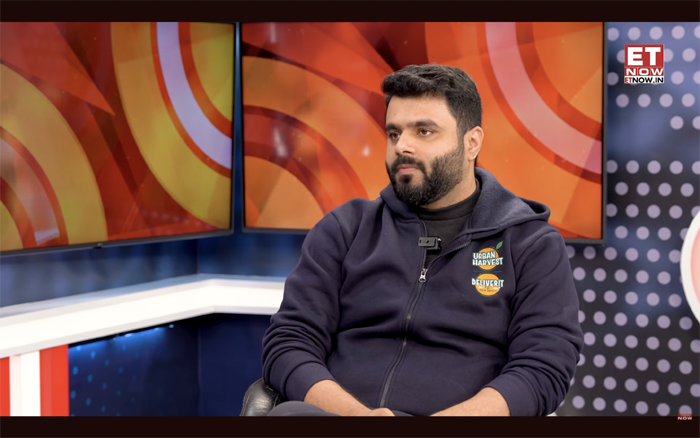
In an interaction with ET Now, Sidhantt Suri, Founder and Chief Executive Officer of DeliverIt and Urban Harvest, spoke not just about building companies, but about the choices that define leadership when comfort and conviction pull in opposite directions.
Sidhantt’s journey has been shaped by a simple belief,businesses lose relevance not because markets change, but because leaders hesitate to change with them. DeliverIt was born from this conviction. At a time when restaurant owners and small businesses were accustomed to delayed deliveries and fragmented procurement, Sidhantt chose to challenge the norm by committing to a four-hour delivery promisedespite the operational complexity it demanded.
Urban Harvest reflects another aspect of his leadership philosophycontrol where it matters. By manufacturing products in-house, the company prioritises consistency, quality, and trust over short-term gains. For Sidhantt, reliability is not a feature it is a responsibility.
Building a four-hour B2B delivery model required more than technology. It demanded discipline, repeatable processes, and teams willing to execute under pressure every day. Sidhantt Suri credits the company’s progress to ground-level execution and a culture that values accountability over convenience.
At the centre of his leadership approach is customer responsibility. Complaints are not deflected; they are owned. Even when issues fall outside the company’s control, Sidhantt believes the burden of resolution rests with the organisation. This mindset has helped foster long-term customer relationships and repeat engagement.
Operating in a low-margin business was never viewed as a constraint. Sidhantt sees strength in efficiency and frequency. While margins per transaction may appear modest, trust-driven repeat usage allows value to compound over time, a lesson he believes is often overlooked.
Reflecting on leadership challenges, Sidhantt identifies people as the most difficult and most important element of building a company. Processes can be designed, but intent cannot be taught. His focus has been on building teams with ownership, ethics, and resiliencequalities that do not scale easily but matter most.
Sidhantt also offered a candid view on startup culture, cautioning against over-emphasis on valuations. Numbers, he said, do not build businesses; people, execution, and trust do.
Looking ahead, Sidhantt does not see his role changing dramatically. His responsibility, he believes, is to continue placing the right people in the right roles and creating systems that allow them to succeed. In an environment defined by uncertainty, he sees clarity of intent as the most enduring leadership trait.